
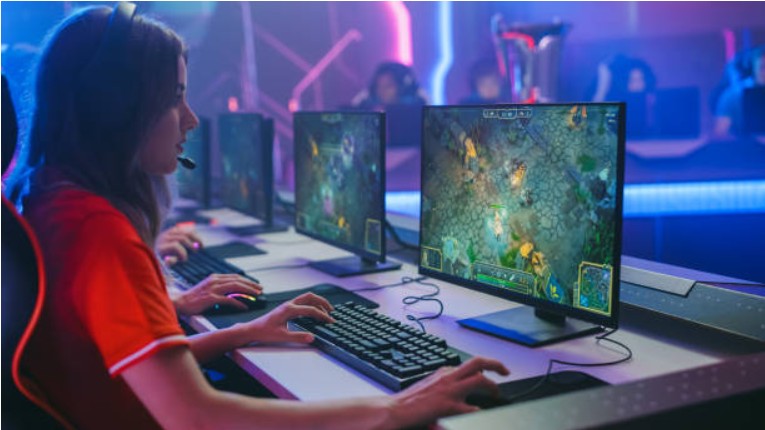
Why does online gaming keep spilling far past the screen?
The short answer is that it no longer feels like a solo activity tied to one device. It now blends social interaction, personal identity, entertainment, and even real-life habits in ways that keep pulling people back in.
That shift did not happen by accident. Faster internet, better phones, voice chat, streaming culture, and online communities all pushed gaming into daily life. What used to be a pastime you picked up for an hour now connects to friendships, routines, and shared culture in a much bigger way.
It also helps that players are not just consuming games anymore. They are talking about them, watching them, clipping moments, joining chats, and following events around them.
Social Life Now Lives Inside Gaming
One big reason gaming keeps growing beyond the screen is simple: people use it to stay connected.
If you have ever checked logintangandewa.com for account access or related gaming activity, you have already seen how gaming habits now extend into everyday online behavior.
Friends Meet In More Places
Online games are not just about playing matches. They are also chat rooms, hangout spots, and shared routines. Friends log in after school, after work, or late at night, not only to play, but to talk. For many people, the game is just the setting. The real value is the social time around it.
Community Turns Small Habits Into Rituals
Once people join clans, teams, or chat groups, gaming starts to shape weekly routines. A planned session becomes part of the calendar. A live event becomes something friends watch together. Even short play sessions can matter because they fit into a larger social pattern.
Streaming And Sharing Changed The Experience
Gaming no longer ends when a match ends. It continues through clips, streams, and posts.
Watching Became Part Of Playing
People do not need to play a game to feel part of it. They watch skilled players, funny moments, and live reactions from others. This turns gaming into a shared media format, not just an activity. A single match can become content that gets replayed, commented on, and discussed by thousands.
Online Talk Keeps The Topic Alive
Gaming spreads through chat apps, short videos, and forums because players like comparing stories. One person talks about a close win, another shares a mistake, and the conversation keeps rolling. If a player checks sbobet88 for information tied to online play, that is another sign of how gaming-related activity often extends into other parts of the web.
Gaming Fits Modern Routines Better Than Before
Another reason for the expansion is that gaming now matches how people already live.
Short Sessions Fit Busy Schedules
Not everyone has hours to spare, and games have adapted to that reality. Many people play in short bursts during breaks, commutes, or quiet evenings. Because gaming can fit into small pockets of time, it feels easier to keep as a habit.
Mobile access also matters a lot here. When a game is available on a phone, it can travel with the player everywhere. That makes the activity feel less tied to a single room or device.
Identity Plays A Bigger Role
For many players, gaming is part of how they express themselves. They choose characters, styles, usernames, and play habits that feel personal. They may also follow teams, creators, or communities that match their taste. That kind of identity makes gaming feel like more than a pastime.
People stick with activities that reflect who they are, and online gaming does that very well. It offers a space where skill, personality, humor, and connection all matter at once.
Final Thoughts
The main reason online gaming keeps expanding beyond the screen is that it has become woven into daily communication, entertainment, and identity. It is not just something people do alone. It is something they talk about, watch, share, and build around with other people. As technology keeps improving and social habits keep shifting, that expansion is likely to continue. The screen still matters, but it is no longer the full story.